



Omar Farouk
Director, SmartFuel
⭐⭐⭐⭐☆
“Partnering boosted fuel sales at targeted sites — and helped support frontline staff.”


Discover a world of products and services at a special discount for the NHS.
Providing a digital newsfeed to the NHS along with discounts from UK businesses, we provide a way to offer NHS workers a directory of businesses willing to show their appreciation of the NHS.
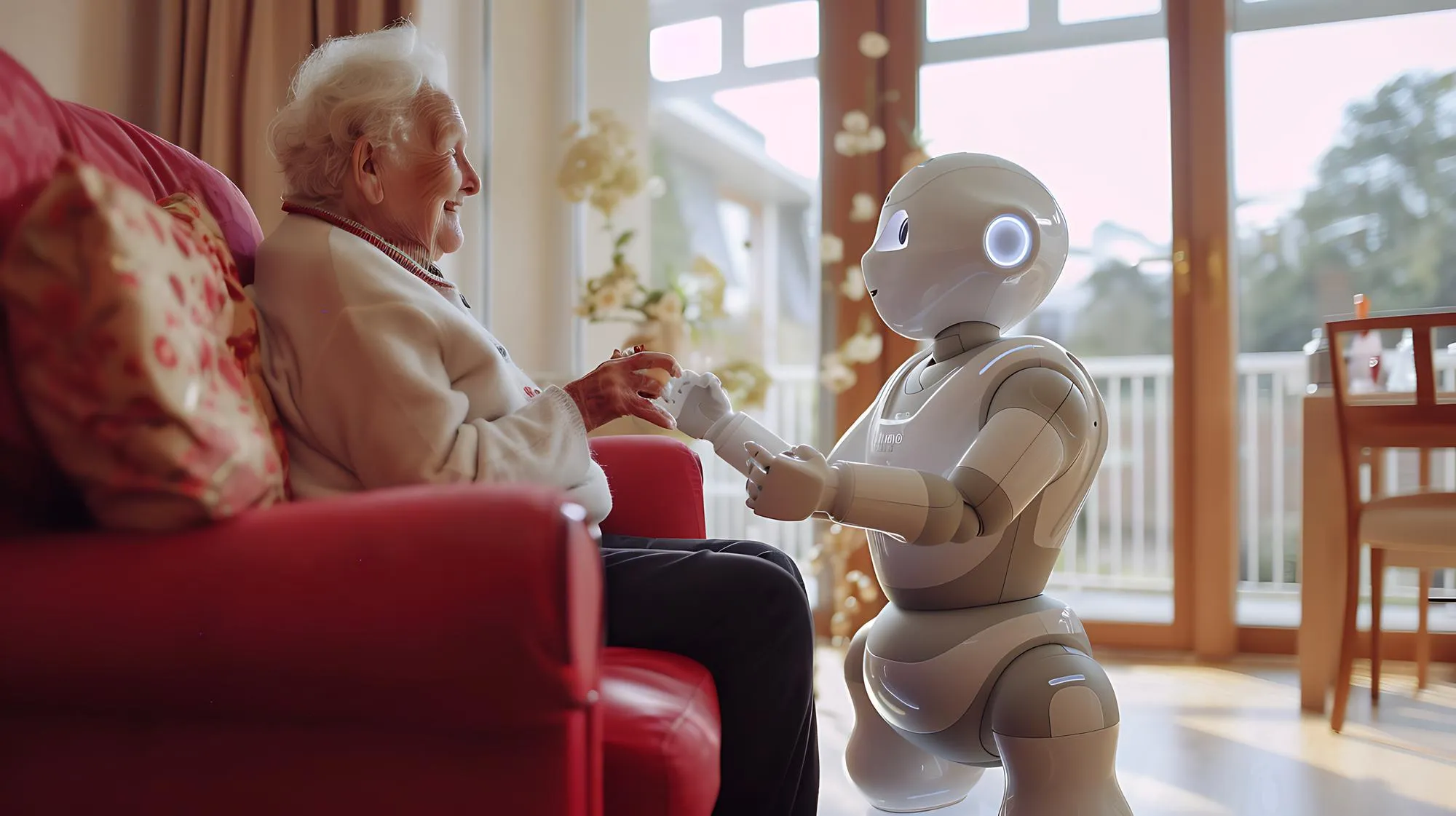


In a bold reimagining of community healthcare, Cera, one of the UK’s leading home care providers, is using artificial intelligence (AI) to revolutionise the way patients are monitored and supported at home. The result? A reported 70% reduction in hospital admissions, improved patient wellbeing, and significantly less pressure on already stretched NHS services.
This forward-thinking model showcases how technology can enable care that is not only smarter—but more responsive, proactive, and personal.
The NHS continues to face a crisis of capacity, with increasing demand driven by an ageing population, long-term health conditions, and post-pandemic backlogs. Delayed discharges, overcrowded A&E departments, and workforce shortages are now everyday challenges across many Trusts.
Home-based care is often seen as a partial solution—allowing patients to recover in comfort, avoid hospital admissions, and stay out of institutional settings longer. But until recently, the ability to detect early deterioration in the home environment was limited, relying on carer observations and periodic check-ins.
Enter Cera’s AI-driven platform.
Cera’s technology leverages AI to analyse real-time and historical health data collected during home visits. This includes information such as:
The AI algorithm scans for patterns that might indicate emerging health risks, such as infections, falls, respiratory problems, or medication side effects. If a concern is flagged, the system sends an alert to the appropriate care team—enabling early intervention and often preventing a crisis before it occurs.
In many cases, this timely response has prevented hospital admission entirely, or allowed for swift treatment at home, reducing the need for emergency escalation.
“Our AI acts like an extra set of eyes and ears,” said Cera CEO Dr. Ben Maruthappu. “It enhances the skills of our carers and clinicians, making sure we act before a patient’s condition deteriorates.”
Cera’s data shows that this approach has led to a:
These figures not only represent better outcomes for patients, but also significant financial savings for the NHS, freeing up beds and reducing reliance on emergency services.
Importantly, Cera’s model is designed to empower—not replace—human carers. Care staff are trained to work alongside the AI system, using digital tools to record visits and input observations via mobile apps. This seamless integration allows carers to spend more time with patients and less time on paperwork.
It also democratises access to expert insight, giving frontline workers the ability to flag concerns earlier and escalate with clinical confidence.
“We’re not asking carers to become doctors,” explained one Cera nurse. “But we are giving them the technology to spot the warning signs—and the support to act on them quickly.”
Currently operating across hundreds of local authorities and NHS partnerships, Cera is rapidly expanding, with ambitions to deliver 10 million care visits per year by 2026. Its model aligns with the NHS’s long-term goal of delivering more care outside hospital walls and supporting patients to age safely and independently at home.
Looking ahead, Cera is exploring additional applications for AI in palliative care, rehabilitation, and remote mental health support. Plans are also underway to integrate predictive analytics with wearable health tech, opening the door to even more personalised and preventative care.
Cera’s success offers a compelling blueprint for what digitally enabled community care can look like. By combining data-driven insight with human compassion, their model bridges the gap between high-touch and high-tech—transforming reactive healthcare into a system of continuous, proactive support.
As the NHS seeks scalable solutions to the challenges of tomorrow, Cera’s AI-powered approach shows that better outcomes, lower costs, and improved staff experience need not be mutually exclusive. The future of home care has arrived—and it’s smarter, faster, and more connected than ever before.
Real reviews from happy clients
“Partnering boosted fuel sales at targeted sites — and helped support frontline staff.”
“Our cleaning service gained loyal NHS clients through this platform.”
“I’ve saved hundreds on essentials and days out. It’s a genuine thank-you that makes a difference.”
“The scheme matches our values — helping NHS workers while increasing brand visibility.”
“Signed up in minutes and had a holiday booked the same week — at a price I could afford.”
“The tech discount saved me £300 on a new laptop — perfect for my CPD studies.”
“Nice to know businesses value what we do. The savings really help during tough months.”
“All the codes worked without hassle — no gimmicks, just proper deals.”
“Great selection of brands that actually understand our work schedules.”
“It’s rewarding to give back — and sales from NHS staff are steadily growing.”
“Groceries, uniforms, and even fuel — all cheaper through Healthcare Discounts.”
“Plenty of sportswear and fitness offers — exactly what I was looking for.”
“NHS bookings filled our off-peak rooms — fantastic partnership ROI.”
“I recommend it to every new starter — sign up and you’re saving within hours.”
“The platform builds loyalty — NHS staff keep coming back to our brand.”
“The travel savings helped me attend a medical conference without breaking the bank.”
“We’ve seen a 30% increase in NHS customers since listing our offer here.”
“The discounts on everyday shopping make a genuine difference to my budget.”
“Partnering with Healthcare Discounts has connected us directly with an engaged NHS audience.”
“No hoops to jump through — easy sign-up and instant benefits.”
“Fantastic exposure for our brand and a chance to say thanks to key workers.”
“Our NHS dining discount is a hit — table bookings have gone up 20%.”
